TL;DR: Wargame Red Dragon team game role selection starts with the lobby rules and a clear responsibility on the map. Choose a deck that can perform that job, tell teammates what ground and support you cover, and agree who maintains important reinforcement access. A role is a task the team can rely on, not simply a declaration that you will buy one unit category.
Keep the responsibility practical: a lane, an objective or a defined support function with a fallback. Revisit it when the match changes. A specialized deck can help the group, but only when its limitations are understood and its contribution matches the actual fight.

Updated November 9, 2026. This guide uses the official Wargame: Red Dragon manual for multiplayer setup, deck restrictions, shared detection, reinforcement entry and victory conditions. The document is an archived2014reference. Suggestions are source-based coordination choices, not a tested competitive team composition.
On this page
Wargame Red Dragon team game role selection: choose a job
A useful role has an observable purpose. Holding a lane, maintaining an entry zone or providing support to a named group is clearer than announcing that you like tanks or aircraft. Unit categories help supply the job; they do not define the team’s needs by themselves.
Before deployment, identify what the team must preserve or gain in the selected mode. The manual distinguishes Destruction, Economy and Conquest. Your role should serve the actual rules rather than assume every lobby rewards the same type of activity.
1. Read the lobby before choosing a specialized deck
The manual explains that lobbies can restrict decks by national, coalition, themed or period rules. Check those conditions before promising a role based on a deck that may not be selectable. A saved configuration is useful only when the current match permits it.
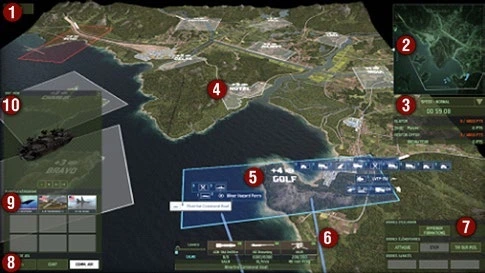
Inspect the map preview. The manual describes terrain, command-zone positions and starting areas in the lobby. A role based on naval access, a particular reinforcement route or open terrain needs that map context before you commit.
Check the deployment allowance and income settings shown by the lobby. A support plan that works with generous early resources can be awkward when your opening budget is tighter. Use the current settings rather than remembered figures from another match.
Confirm the final deck selection before starting. Similar saved names can hide a different specialization or roster. The deck-building guide helps connect the configuration with what you will actually be able to deploy.

2. Define ground responsibilities in plain language
Tell teammates which lane or objective your initial force will serve. Include what you need from neighboring groups if the deck has a clear gap. That allows support to be planned before several players spend on the same area.
Do not treat a boundary between teammates as a reason to ignore information. Shared army detection, documented by the manual, can reveal a threat relevant to another group. Communicate it without automatically abandoning the job your own units are performing.
Keep the first agreement short enough to act on. A location and a task are useful. A long list of possible purchases can become obsolete as soon as the opening changes, and it may not tell the team which objective remains your responsibility.
If two players choose the same lane, agree what each contributes. One may maintain the ground presence while another supplies a defined support role. Without that distinction, duplicate spending can leave another objective unattended.
3. Assign support by recipient and timing
Artillery, aircraft, anti-air and reconnaissance can support different parts of the map. Name the group or problem the purchase addresses. “I have support” is less useful than identifying what is currently available and where it can contribute.
The manual gives support roles distinct mechanics and limitations. Aircraft have mission and recovery states; artillery has its own firing restrictions; anti-air weapons have target-specific capability. Do not promise a response solely because the category appears in your deck.
Check readiness before confirming a request. A plane refueling at the airport or a support weapon without ammunition cannot perform the same immediate job as an available, supplied unit. Report the state accurately so the team can choose another response when necessary.
Avoid sending a specialized asset toward a vague target. Ask for or use the actual unit information and map context available. A clear task helps you judge whether the support worked and when its useful contribution ended.
4. Coordinate commanders and reinforcement access
The manual links reinforcement entry to a controlled zone with appropriate entry points, including zones controlled by your team. That makes access a shared function worth assigning explicitly. Do not assume someone else maintained it because several players used the route earlier.
Identify who places the initial command unit in an important entry zone. Avoid duplicate purchases without a defined reason, but make the responsibility visible to the team. A quiet rear task can still affect everyone relying on that access.
Keep commander control separate from the mobile combat group. The manual states that command vehicles must be stationary to control an area. An accidental group order can interrupt a shared function while the rest of the team continues spending as though it remained intact.
When the access becomes threatened, communicate the change before simply replacing the commander. Teammates may need a safer reinforcement destination or another approach. Zone control and safe travel along the road are related but separate problems.

5. Preserve flexibility inside a specialist role
A support-focused player still needs a plan for situations where the intended targets are absent or the ground group retreats. A role that works only when the opponent makes one particular choice can become idle while another team need grows urgent.
Keep some purchases conditional. The manual separates a deck’s available units from deployment points spent in the match. Including a card does not require buying it at the start, and retaining points can preserve a useful response to the actual opening.
Use specialization because it improves a defined contribution, not because it removes the need to understand the rest of the match. Your aircraft, artillery or armor still interacts with information, access and the ground objective.
If the deck cannot answer a new problem, say so clearly. Another teammate can supply the missing function while you continue the job you can perform. Concealing a limitation is less useful than making the dependency explicit before another unit is lost.

6. Reassign jobs when the map changes
An opening role is not a permanent contract for the whole match. A lane can quiet down, an entry can be lost or a new objective can become important. Reassess what the team needs without silently abandoning the responsibility other players still expect you to cover.
Announce the handover or move. A short message identifying the old and new location can prevent neighboring groups from assuming coverage that has disappeared. Use observed conditions rather than vague claims that the match is going badly.
Check the support position after movement. Shared detection does not guarantee that every unit can fire from every location. A support asset left behind may no longer contribute to the group whose icon moved forward.
Avoid chasing every request at once. Prioritize the task most directly connected to the current objective, then make unavailable support clear. Splitting attention across too many unfamiliar units can leave each job only partly managed.
7. Review the team’s gaps instead of only individual scores
After the match, identify which function was absent when a problem developed. It could have been entry control, information, ammunition, a valid weapon type or an unoccupied ground objective. Those causes are more useful than assuming the player with fewer kills contributed nothing.
Read results in the context of the victory mode. The manual separates unit-destruction scoring from Conquest zone scoring. A role protecting access or holding a zone can serve the match without producing the same visible kill count as an offensive support unit.
For the next game, change one agreement. Assign the neglected entry, clarify a support recipient or choose a less narrow deck. Keep enough consistency that the team can recognize whether the change improved the specific gap.
Use a cooperative learning session when several players are new. Practice a shared entry, neighboring ground roles and one support request with visible readiness. The beginner guide supplies the unit and deployment context for that exercise.
Team role questions
Is playing only one category always useful?
Only when that specialization serves a defined team need and its gaps are covered. A role should describe an objective, recipient or access function. Category preference alone does not tell teammates what they can rely on.
Should every player buy a rear commander?
Agree the responsibility instead of duplicating by default. The manual allows reinforcement through an appropriate team-controlled entry zone. Extra commanders can have a purpose, but the purchase should be deliberate rather than based on an unspoken assumption.
What is the best message when support is unavailable?
State the relevant condition and location: recovering aircraft, empty ammunition or a unit covering another group. Accurate availability lets teammates choose an alternative more quickly than a vague promise that help is coming.
Sources and further reading
Keep exploring

wargame red dragon radar anti air management: coverage and weapon-state decisions
A source-backed guide to managing specific radar-related weapons within a complete Wargame Red Dragon air defense.
wargame red dragon sead aircraft: choose a mission that helps
A concise source-backed guide to choosing and reassessing a useful SEAD mission in Wargame Red Dragon.
wargame red dragon korean war campaign: keep a usable campaign roster
A practical wargame red dragon korean war campaign guide using the official manual, with explicit assumptions and the limits of archived game information.