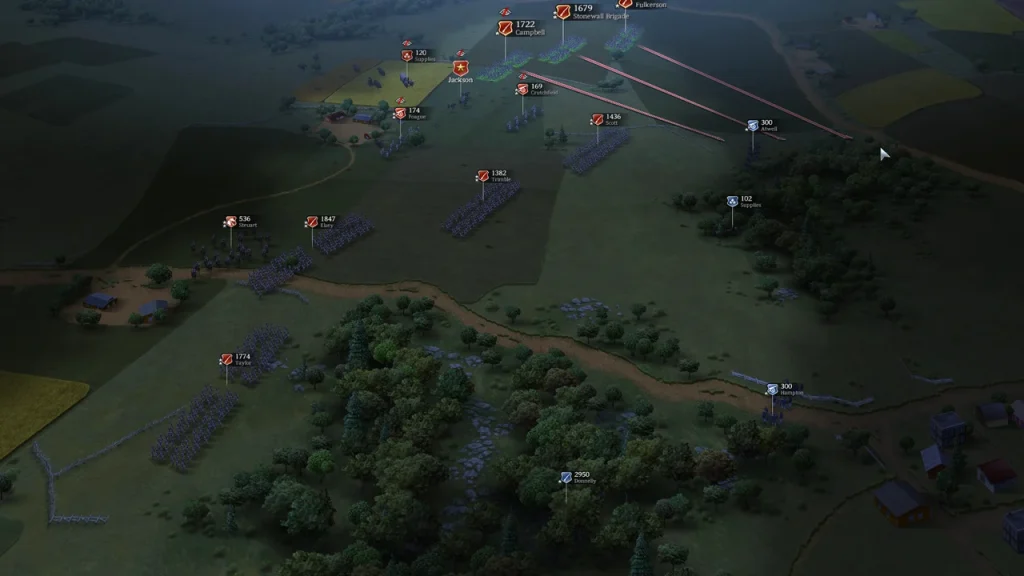
Ultimate General Civil War weapon allocation should equip the army that can perform the next mission, with enough stock and money left to repair it. Start by assigning brigade roles, then compare equipped weapons, Armory inventory and shop availability. A premium purchase for one unit can leave another without the equipment its assignment requires. The useful choice is the one that improves the deployable force while respecting recruits, officers and formation limits.
Quick plan: audit equipment, prioritize the next mission’s roles, preview each change and keep a repair reserve. This guide follows the official UGCW manual and the developer’s game overview. It explains allocation decisions rather than supplying an untested weapon tier list or current price table.

On this page
Ultimate General Civil War weapon allocation: fund the next assignment
Read the next battle’s briefing and deployment limits before spending. Identify the formations that must hold ground, provide supporting fire, scout and protect artillery or supply. Decide which units start on the field and which arrive later.
Give each proposed equipment purchase a purpose in that plan. Improving a firing brigade, equipping a new reserve and replacing lost weapons are different purchases with different benefits. If a unit cannot fit the next deployment, consider whether its later campaign role justifies using resources that the active army still needs.
Write the allocation as a list of jobs and equipment needs. This makes it easier to see whether the plan equips one impressive brigade while leaving a necessary role unresolved.
Audit equipped weapons and Armory stock
Open each priority brigade’s details and record its selected weapon and strength. Then inspect the Armory and shop. The manual distinguishes equipment already in storage from weapons available for purchase. The brigade interface also shows stock relevant to its current weapon.
Do not assume that a stored weapon is already fitted to a unit or that a weapon shown in the shop can be bought in any quantity. Check the live availability. A proposed reinforcement may need more equipment than you have, even if the existing formation is properly equipped.
Keep the audit limited to decisions you need now: current weapon, stock, proposed strength and purchase requirement. Historical interface images show where those values appear; their numbers do not establish your current inventory.
Give infantry weapons a clear battlefield purpose
The manual distinguishes older muskets from rifles. It describes muskets as slower and less accurate but better suited to melee, while rifles provide stronger shooting qualities. Use that broad distinction alongside the brigade’s skills and task, then inspect the actual weapon tooltip.
Be careful with range comparisons. The manual says infantry weapons share the same battlefield fire-arc size despite different range values in their data, reflecting organized volley fire. Do not assume that a larger tooltip range automatically gives the infantry line a proportionally longer firing arc.
A brigade intended for sustained firing deserves an equipment comparison that includes its firearms and efficiency. A close-combat assignment raises other questions, including the route and support needed to reach the enemy. The gun alone does not turn an unsuitable attack into a sound one.
Keep specialist equipment with a specialist job
Dedicated skirmisher units can use specialist sharpshooter and repeater weapons described in the manual. Infantry detachments retain their parent brigade’s weapon. Check which kind of unit you are equipping before budgeting a specialist role.
Cavalry equipment determines another important distinction. Carbine cavalry can dismount, while shock cavalry uses short-range weapons and sabers and cannot fight dismounted. Buy for the job the army needs rather than treating all cavalry weapons as interchangeable upgrades.
Artillery classes also support different engagements. Smoothbores, rifled guns and howitzers have different distance and accuracy characteristics in the manual. Allocate guns to a supported firing position with suitable spotting and supply. A specialist weapon needs the deployment conditions that let it contribute.

Compare upgrading one unit with equipping another
When resources permit one major purchase, compare two complete options. One might improve the weapon of an established firing brigade. Another might equip a reserve that fills a gap in the army. Include the recruits, officer and organization required by the second option.
Check the consequences for the next deployment. A better-equipped brigade can improve an existing assignment, but it remains one formation. A second brigade can occupy another position only if the mission and army organization can use it. Neither benefit should be assumed from the purchase price alone.
Choose the option that resolves a specific problem. If the line has no supported reserve, a weapon upgrade in the center may leave that problem intact. If the existing firing brigade lacks suitable equipment, creating another under-equipped formation may also fail to help.
Separate stock shortages from replacement costs
Reinforcing a brigade requires recruits and equipment as well as any gold charged by the replacement method. Rookies dilute skills; veterans preserve them at additional expense according to the manual. Those choices do not remove the need to equip the added soldiers.
If stock is insufficient, inspect the shop purchase required. If the current weapon is unavailable from both sources, adding soldiers using that equipment is constrained. You may need to reduce the proposed reinforcement or compare a different weapon.
Record the combined commitment before applying changes. A cheap Rookie preview can still consume scarce rifles. A Veteran repair can preserve quality but leave too little money for another unit’s equipment or an officer replacement. Fund the whole intended force.
Confirm equipment changes with the live preview
The manual describes choosing equipment and confirming with Equip. Use that preview to check the selected weapon and cost. For troop replacements, inspect the separate Apply preview at the intended strength. Read the result of each action before proceeding to another brigade.
After equipping a weapon, verify the unit details and remaining Armory stock. If you intend to reinforce it next, inspect the new requirement with the selected equipment. A sequence that seemed affordable before the first change may need revision afterward.
Avoid using historical screenshot prices as a shopping budget. They identify the controls and fields; the current camp supplies the values you must actually fund.
Keep a reserve for repairs and officers
Equipment is one part of campaign upkeep. Officers, replacements and supply can compete for resources. Inspect command gaps and the force’s intended strength before spending the entire budget on weapons.
Leave a reserve based on the next mission and the repairs you expect to manage, without assuming a universal percentage. If a purchase would remove every alternative for fixing a damaged priority unit, compare a smaller equipment change or a different allocation. The aim is to enter the battle with usable roles and a campaign you can continue afterward.
Review recovered weapons before the next allocation
Read the actual battle rewards and Armory inventory after the fight. Do not plan around captures that have not occurred. Newly available equipment may support a useful formation, but it still needs recruits, command and a deployment slot.
Review whether each equipped unit performed its intended role. If an expensive weapon saw little use because of visibility, position or timing, adjust the deployment before buying more. If a stock shortage blocked repairs, include that constraint in the next budget.
The Ultimate General Civil War guide hub covers related specialist units and campaign management. Keep an allocation note showing the equipped force, remaining stock and unresolved shortage before leaving camp.
FAQ
Should every brigade receive the most expensive weapon?
Choose by assignment, skills, stock and the resources left for the army. Price alone does not establish that a weapon fits the job or that the rest of the deployable force can be maintained.
Do infantry tooltip ranges mean different fire-arc sizes?
The manual says infantry weapons share the same battlefield fire-arc size despite different data ranges. Inspect the other weapon qualities and the unit’s role rather than assuming a proportional arc increase.
Why can I afford recruits but not enlarge the brigade?
Check equipment stock and shop availability alongside organization and command. The added troops need the selected weapon; available recruits alone do not satisfy the full requirement.
Sources and further reading
Keep exploring

Hearts of Iron 4 vs Ultimate General Civil War: nation or army command?
Pick HOI4 for national industrial and political war planning; pick Ultimate General: Civil War for tactical formation command and an army that carries battle consequences forward.
Gates of Hell Ostfront vs Ultimate General Civil War: which army campaign?
Choose Ostfront for a researched WWII force and direct control; choose Ultimate General: Civil War for brigade command and a campaign shaped by surviving soldiers and officers.
Games like Ultimate General Civil War: 3 clear choices
Criterion-based alternative selection for UGCW players: same-franchise focused battlefield, same-war national strategy, or different-period gunpowder regional campaign; explicit scope and evidence limits.