The best historical grand strategy games put different decisions at the center. Hearts of Iron IV fits the national war planner, Crusader Kings III the medieval dynasty builder, and Victoria 3 the player interested in industrial society and international power. Choose the recurring problem before choosing the century.
This shortlist treats grand strategy as governing the larger system behind an army: production, political authority, diplomacy or population. These are recommendations from the official feature descriptions and inspected screenshots. They are not a tested ranking of AI, historical accuracy or campaign performance.

| What you want to organize | First game to inspect | What receives less direct attention |
|---|---|---|
| A national machine for World War II | Hearts of Iron IV | Individual battlefield squads |
| A dynasty that survives successive rulers | Crusader Kings III | A continuous industrial war economy |
| Population, industry and nineteenth-century power | Victoria 3 | Personally maneuvering every combat formation |

On this page
Hearts of Iron IV: organize a country for war
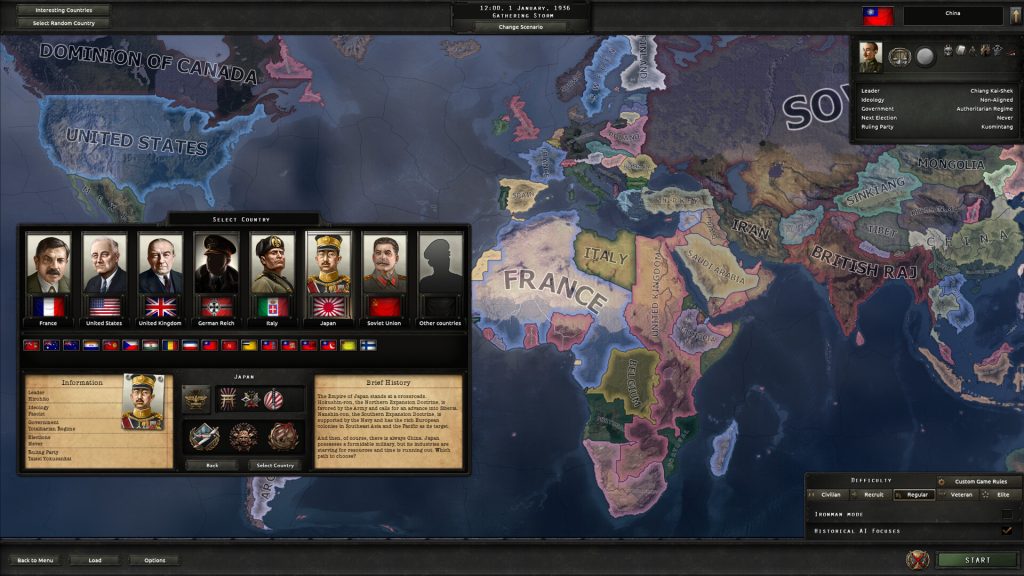
Hearts of Iron IV makes military preparation the main attraction. Its official description connects factory instructions, production research, division templates and political objectives to the conduct of World War II. The army visible on the map is the result of those earlier national choices.
The useful buying question is whether you enjoy preparing forces before the offensive begins. A division template specifies an intended military formation, while production determines the equipment available to sustain it. If the attractive part of a war game is aligning those two systems, this is a stronger fit than a game chiefly about controlling a single engagement.
Diplomatic alliances and alternative political paths widen the campaign beyond repeating the same historical outcome. The advertised choices include restoring political systems and taking different approaches to military objectives. A historical starting situation is therefore a framework for changing events, rather than a promise that the simulation will always reproduce them.
Preview this: a player setting production priorities, explaining a division design and then using the resulting forces. Watching only a front advance can hide much of the work you are buying. The tradeoff is that national preparation and military organization compete for your attention; familiarity with the period does not remove the need to learn the interface.
Package contents deserve a separate check. The official description read for this article lists the base game with four earlier expansion packs. That is not a claim that every later expansion or every specialized national feature is included.

Crusader Kings III: keep power through a change of ruler
Crusader Kings III puts a noble house at the center of medieval strategy. Your current ruler dies, and play continues through heirs. Titles, vassals, marriages, religious choices and personal rivalries connect the political map to a cast of people.
This is the choice when losing control of a realm interests you as a family and political problem. Educating an heir, granting a title or cultivating an alliance can matter alongside raising men-at-arms and hiring mercenaries. The next useful move can be a marriage or a scheme rather than another attack.
Characters have traits and lifestyles, and the official description lists diplomacy, blackmail, murder and seduction among the ways to pursue influence. Those tools make it attractive if you want a campaign to produce memorable rulers and rivalries. They also create a clear limitation for someone seeking a tightly focused military planning game: character events are part of the main experience.
Inspect a succession and its political consequences, not just a successful war. The personally viewed official image shows a broad medieval political map, but it cannot establish that every displayed realm offers identical mechanics in the base purchase. Check the specific culture, government or expansion feature you intend to play.
Victoria 3: make an economy support international ambitions
Victoria 3 covers 1836–1936 and emphasizes society, industry and diplomacy. Its population groups have economic needs and political desires. Government reform, technology, labor demand and trade are therefore central decisions rather than background flavor.
Choose it if the interesting question is how a country becomes capable of exerting power. Expanding industry creates demand for materials and workers; trade provides raw inputs and markets for finished goods. The official feature set also includes diplomatic relations, alliances, threats and military pressure.
The tension is between strengthening the state and managing the people affected by that change. Preserving a traditional government and pursuing social reform imply different political priorities. This is a better fit for understanding an industrial society than for personally controlling a battlefield charge.
Before buying, watch someone explain a shortage, a construction decision and a diplomatic conflict. If those are the segments you would skip to reach the fighting, consider Hearts of Iron IV instead. For a period-specific army-and-politics comparison, see the medieval war strategy selection. Pick the game whose routine decisions you want to keep making, then verify its current edition and requirements.
Sources and further reading
Keep exploring

Hearts of Iron 4 occupation laws: control resistance without draining reserves
Match occupation policy to resistance, compliance and a garrison you can actually supply; use stronger control only when the situation justifies its cost.
wargame red dragon radar anti air management: coverage and weapon-state decisions
A source-backed guide to managing specific radar-related weapons within a complete Wargame Red Dragon air defense.
wargame red dragon sead aircraft: choose a mission that helps
A concise source-backed guide to choosing and reassessing a useful SEAD mission in Wargame Red Dragon.