The best war strategy games with logistics make support part of the military plan. Shadow Empire ties infrastructure and production to a nation’s war effort, Unity of Command II focuses on divisions and supply routes, and Command Ops 2 combines operational supply with timed orders. Choose the scale at which you want a shortage to change your decisions.
On this page
Shadow Empire: build the network that sustains the state
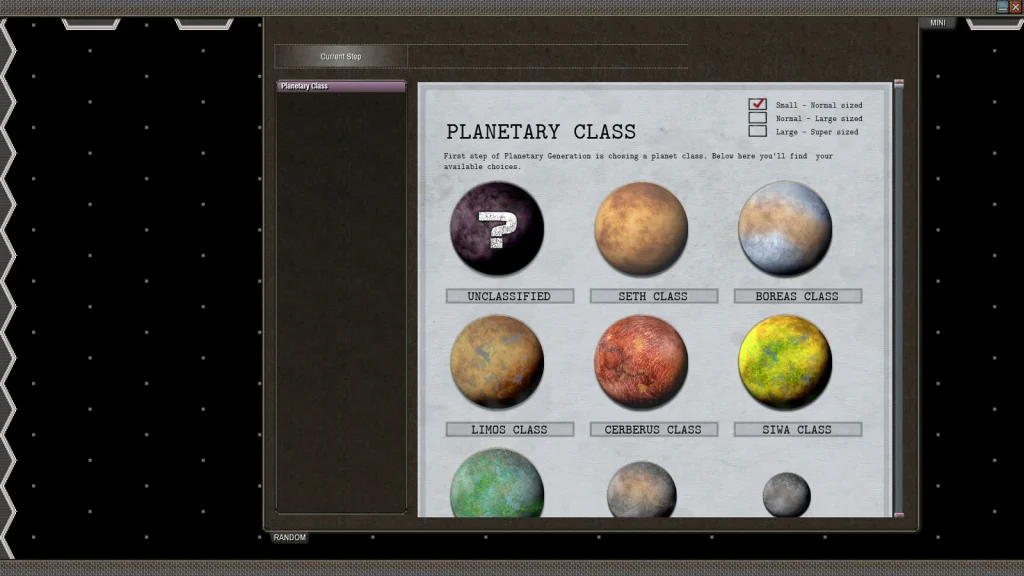
Shadow Empire combines a turn-based military 4X campaign with budgets, industry, leaders and infrastructure. Its official description gives supplies concrete consequences: running out of ammunition can prevent a force from attacking or defending, while a food shortage creates another serious obligation.

The logistics network can be expanded through roads, rails, truck stations, supply bases and other transport assets. That makes an advance a question about what the state can support, not only what territory the army can occupy.
It is the strongest fit here when you want production and infrastructure to shape the campaign. A useful new route must connect a supply need with the network and resources that can serve it. Capturing more territory can create a larger transport problem rather than immediately solve one.
The drawback is breadth. Government, diplomacy, leaders and military design compete with the logistics system for attention. Begin with a small support problem and inspect where the network fails before committing to a large offensive.

Unity of Command II: keep the divisions connected
Unity of Command II puts divisions, headquarters and supply into a focused WW2 campaign. The official description emphasizes supply routes, encirclement and the danger of advancing deep beyond the lines that support your force.
Headquarters provide tools such as reinforcement, bridging and resupply abilities. That gives you more than one way to address an operational problem, but the route and timing still have to fit the objective.
Choose it when you want a supply question that is closely tied to the next turn. Cutting an enemy connection can be useful, but your own division needs a workable position after the move. The tempting advance and the support plan should be considered together.
The limitation is the game’s focused scenario design. It is not a broad industrial simulation with an unrestricted national transport network. Pick it for supply as an operational battle problem rather than for managing an entire country’s economy.

Command Ops 2: coordinate support with execution
Command Ops 2 uses continuous time, command hierarchy and delayed orders at corps, division or brigade level. Its feature list includes supply priorities, order timing and several route-finding choices.
That makes logistics part of the plan’s execution. A force must reach the intended location, support its task and coordinate with the rest of the operation. A route that looks short on the map may expose units or fail to suit the timing you need.
Subordinate AI can handle lower-level work while you decide where to intervene. Pausing provides time to compare the situation and orders, but does not remove the consequences of a plan that asks a formation to do too much.
The drawback is interpretation. You need to read operational panels and understand why a force is delayed or unsupported. Choose it when that diagnosis is part of the experience you want, rather than expecting every failure to announce itself through a cinematic event.
Trace one shortage back to its cause
Start with the unit that cannot do its job. Ask whether the problem is available stock, network capacity, route, timing or the task itself. Changing all five at once can conceal which part of the original plan was broken.
This comparison uses official logistics features and inspected game images, without a firsthand complexity score. Browse our strategy game lists if you first need to decide between national infrastructure, turn-based operations and continuous-time command.
Sources and further reading
Keep exploring

Hearts of Iron 4 occupation laws: control resistance without draining reserves
Match occupation policy to resistance, compliance and a garrison you can actually supply; use stronger control only when the situation justifies its cost.
wargame red dragon radar anti air management: coverage and weapon-state decisions
A source-backed guide to managing specific radar-related weapons within a complete Wargame Red Dragon air defense.
wargame red dragon sead aircraft: choose a mission that helps
A concise source-backed guide to choosing and reassessing a useful SEAD mission in Wargame Red Dragon.