For coastal bombardment and naval support of land fighting, check that you are playing Fall of the Samurai. A fleet in base SHOGUN 2 does not establish that you have the later campaign’s land-support mechanic. Total War Shogun 2 naval bombardment searches often mix the sixteenth-century campaign with Fall of the Samurai’s nineteenth-century warfare.
Begin with the campaign you actually loaded, then distinguish a naval battle, a campaign-map coastal bombardment and naval support during a land battle. They are different tasks. That check is more useful than repeatedly moving a base-game fleet closer to a land army while expecting a missing support ability to appear.

On this page
Base naval combat is a different promise
The official SHOGUN 2 description places its Daimyo campaign in sixteenth-century Japan and lists real-time land and sea battles. It also names fire and siege tactics. Those features explain why ships belong to the game, but they do not establish Fall of the Samurai’s campaign bombardment or off-map land support.
If you are in the base campaign, plan around its actual naval battles and campaign objectives. Do not treat a later game’s support feature as an order that must be hidden somewhere in the base interface. First identify the game or campaign; a similarly named store listing or a screenshot of a ship is not enough.

Fall of the Samurai separates two bombardment situations
The community reference for Fall of the Samurai describes navies attacking ports and bombarding adjacent campaign-map targets within their range. It also describes naval bombardment becoming available in land-battle circumstances when the fight is within a supporting navy’s bombardment range.
For the campaign-map task, begin with a specific coastal target and your fleet’s actual reach. For land support, begin with the land battle and whether naval support is available in that context. A fleet capable of fighting another fleet is not, by that fact alone, confirmation that the current land battle has naval support.
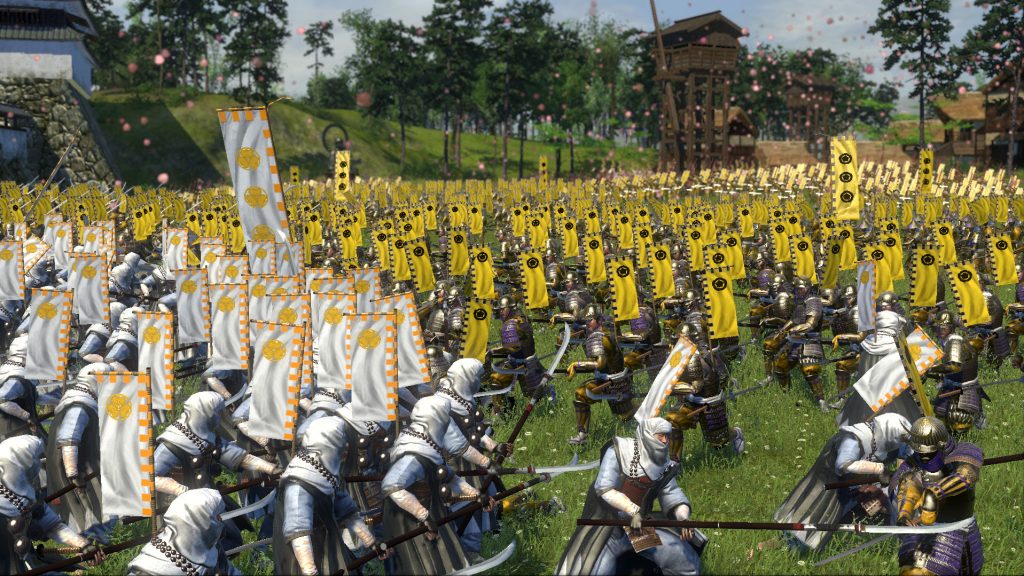
The image shows nineteenth-century naval gunfire at sea. It illustrates Fall of the Samurai’s period and fleet, rather than demonstrating a land-support result. Use the actual campaign and battle availability information to judge your situation instead of inferring a support order from the ship’s appearance.
Check reach and the cost of the coastal position
A useful planning example is a coastal enemy target with your fleet nearby. Before committing to bombardment, confirm that the intended target is reachable and decide what you want the attack to accomplish. For a land fight, confirm support availability before making the army’s plan depend on it. This is a planning example, not a tested scenario or a claim about a specific ship’s range.
Enemy ports can create another cost. The community Military Port reference describes coastal attrition to nearby hostile ships and notes that port damage can disable those defenses. It also says bombardment reach can exceed the defensive attrition radius. That makes fleet position a question of exposure as well as target access.
Do not convert that general relationship into a universal safe distance. Judge the current fleet, target and port state. An attractive coastal position is useful only if you have considered both the intended bombardment and the danger of keeping the ships there.
When support is unavailable
Check the loaded campaign first. Then check whether you are attempting a campaign-map action or expecting support inside a land battle, whether the fleet reaches the intended area, and whether support is actually offered for the current fight. If those conditions do not align, make a land plan that does not depend on naval fire.
No exact button, charge count or numerical range is asserted here: the cited passages establish the campaign distinction and the mechanics to check. For the sixteenth-century campaign, use the base SHOGUN 2 beginner guide. Choose Fall of the Samurai specifically when its coastal bombardment and later warfare are the features you want.
Sources and further reading
Keep exploring
Total War Shogun 2 vs Crusader Kings 3: conquest or a dynasty?
SHOGUN 2 suits Japanese clan conquest with direct battles; CK3 suits a medieval house managed across generations.
Total War Rome 2 vs Total War Shogun 2: empire or clan?
ROME II suits classical empire building; SHOGUN 2 suits a focused Japanese clan campaign with growing generals and agents.
Total War Attila vs Total War Shogun 2: survive or reunite?
ATTILA offers late-antique survival and destructive warfare; SHOGUN 2 centers a clan campaign on reunifying Japan.