TLDR: The best games like Total War Warhammer 3 depend on which part you want to keep. These four choices match different parts of its appeal:
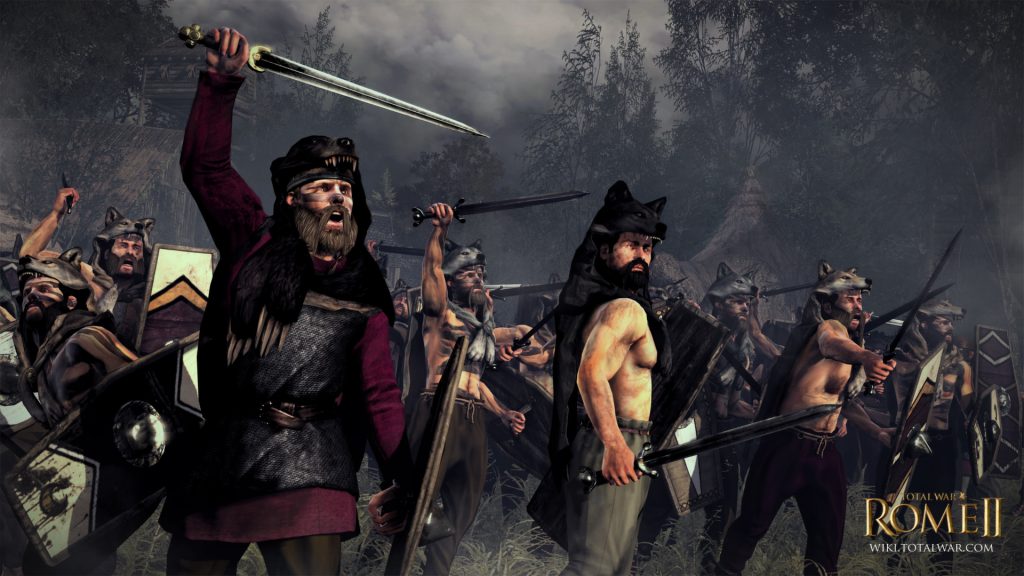
- Total War: Rome II keeps empire building and real-time armies in an ancient Mediterranean setting.
- Total War: Shogun 2 offers a focused campaign to reunify Japan, with real-time land and sea battles.
- Total War: Three Kingdoms emphasizes heroic commanders, relationships, and statecraft alongside real-time battles.
- Crusader Kings III is the dynasty-focused choice if character politics and the story of a realm matter more than direct army command.
Choose another Total War game if commanding battlefield units is essential. Choose Crusader Kings III if the people governing your empire are the main attraction. None of these selections reproduces Warhammer III’s combination of daemonic factions, its Realm of Chaos narrative, and its customizable Daemon Prince.

On this page
How we selected games like Total War Warhammer 3
These recommendations compare the documented designs in official Steam descriptions. They are editorial matches by playstyle, rather than rankings based on a claimed playtest, current player counts, benchmark results, or sale prices. The sources were read locally on November 9, 2026, and their original retrieval dates and current patch coverage were not established.
Warhammer III’s official description combines an empire-building strategy sandbox with real-time battles, Legendary Lords, and fantasy faction choice. A useful alternative needs to preserve a part you care about. Simply featuring a large map or the word strategy would not be enough to justify a recommendation.
The first three selections preserve the Total War connection between campaign decisions and battlefield command while changing the setting and emphasis. The fourth changes the priority to dynastic continuity and character politics. That distinction matters because someone looking for another army-command game has a different need from someone who enjoys telling a long political story.

Total War: Rome II is the pick for historical empire building
Rome II is the closest choice here for a player who wants to keep the military campaign structure while replacing Warhammer’s fantasy with ancient civilizations. Its official Emperor Edition description offers a turn-based sandbox, real-time land and sea battles, and military, economic, and political routes toward domination.
The setting provides a clear reason to build an empire. You can care about Rome’s expansion, the survival of a rival civilization, or the political struggle surrounding control of the republic. The official material describes rival civilizations and units including siege engines, cavalry, legionaries, and berserkers. Those are concrete historical attractions, rather than a claim that Rome II reproduces Warhammer’s faction systems.
The Emperor Edition source also describes the Imperator Augustus campaign, set in the aftermath of Caesar’s death. That is relevant if a campaign needs a political premise to hold your attention. A struggle involving Octavian, Marc Antony, and Lepidus supplies a different narrative motivation from Warhammer III’s dying god and the Realm of Chaos.
Its best fit is the player who enjoys planning a territorial campaign and then taking command when armies meet. The shared Total War format makes the recommendation understandable, but it does not prove identical recruitment, diplomacy, settlement rules, or army balance. Learn Rome II’s own systems rather than assuming that familiar presentation means every campaign decision works the same way.
The main drawback for a Warhammer fan is the change in fantasy. If your favorite reason to field an army is commanding daemons or a transforming dragon, a historical roster will not satisfy that preference. Choose Rome II because ancient empire building appeals to you, not because it promises a replacement for the Chaos factions.
Total War: Shogun 2 is the pick for a focused conquest setting
Shogun 2 is a strong match if you want a clear historical objective in a concentrated setting. The official description places you in sixteenth-century Japan as a daimyo seeking to reunify the country. It combines a turn-based campaign with real-time land and sea battles, economic power, diplomacy, and agents.
That premise offers a straightforward answer to why you are building an army. Your clan is competing for supremacy in a divided country, and becoming shogun gives the campaign a recognizable destination. A player who enjoys the military layer of Warhammer III but wants a different political identity can find a concrete attraction in that role.
The store description also identifies samurai, fleets, siege tactics, spies, and assassins. It describes experience and skills for generals and agents, along with multistage sieges. These features make the recommendation more specific than saying that Shogun 2 is merely another entry in the series. There is documented support for both battlefield command and campaign tools beyond marching an army toward an enemy.
Do not interpret the focused setting as a verified claim that every campaign is easy. This selection concerns the clarity of the premise and the documented strategy format. It does not rank its difficulty against Warhammer III or promise a particular learning time. A recognizable goal can help a player understand the campaign without removing its tactical and strategic decisions.
The drawback is reduced relevance for someone seeking fantastical faction identity. A clan campaign in historical Japan answers a different desire from commanding a Chaos power. Pick Shogun 2 if you want to care about the struggle to reunify Japan and retain direct battles; skip it if your priority is another world of monsters and magic.

Total War: Three Kingdoms is the pick for heroic leaders and relationships
Three Kingdoms is the strongest recommendation here if Legendary Lords attracted you to Warhammer III but you want the campaign’s characters and relationships to occupy more of your attention. Its official description combines turn-based empire building and real-time battles with heroic commanders, statecraft, and the Guanxi relationship system.
The campaign begins in a fractured China seeking a new emperor. The source describes legendary warlords, supporting heroes, friendships, rivalries, alliances, and betrayal. Characters can command armies and govern provinces, giving a prospective player a specific reason to care about the people recruited into an expanding empire.
The Guanxi system is central to this match. The official description presents relationships as dynamic, with personalities, motivations, preferences, and positive or negative connections shaping the story. It also says that battle actions can affect heroes’ relationships. That is a meaningful distinction for someone who wants campaign decisions to matter through people, rather than treating leaders chiefly as faction emblems.
The recommendation does not imply that Three Kingdoms contains Warhammer’s supernatural factions. Its heroic presentation belongs to a different setting and tradition. Choose it because a warlord’s political and personal connections sound interesting, not because a named hero guarantees the same combat role or character progression as a Legendary Lord.
Its main drawback is the same feature that makes it attractive: character relationships are part of the campaign proposition. If you mainly want to assemble a visually extravagant army and fight, the emphasis on statecraft and people might be less compelling than the fantasy identity you are leaving behind. If commanders, loyalties, and rivalries are what kept you engaged, this is a particularly clear alternative to investigate.
Crusader Kings III is the pick for dynasty stories and political intrigue
Crusader Kings III is a different kind of alternative. Its official description centers on a noble house, a medieval realm, character traits, diplomacy, succession, and schemes. Choose it when the story of the people ruling an empire matters more than preserving Total War’s direct real-time battlefield format.
The key attraction is continuity across generations. The official source describes the death of a ruler as part of a lineage that continues through playable heirs. That gives a campaign a different emotional structure from selecting one fantasy lord as its central identity. A marriage, an heir’s education, or the division of titles can become a reason to care about the future of the realm.
Its political tools are also explicit in the source. Rulers can influence characters, recruit agents, engage in schemes, manage titles, and deal with rivals. Traits and lifestyle choices shape characters, while the realm contains courtiers, knights, vassals, and other people with their own roles. If your favorite campaign moments are about who inherits power or who turns against a ruler, this focus offers a defensible reason to consider the game.
Military activity remains part of the documented design: the source names men-at-arms, knights, mercenaries, and Holy Orders. However, this recommendation does not present it as a substitute for commanding Warhammer III’s battlefield units. Someone seeking that specific format should choose one of the Total War entries above.
The drawback is the change in what occupies the center of the experience. Crusader Kings III can suit a player who enjoys stories of political survival, but it is a poor recommendation for someone whose essential requirement is a Warhammer-style real-time battle. Investigate it when dynastic strategy sounds like an attraction in its own right, rather than as a small addition to another army game.

Make the final choice with one campaign scenario
Imagine the situation you would most like to solve in your next game. If it is expanding an ancient civilization while commanding land and naval battles, start with Rome II. If it is leading a clan toward supremacy in Japan, Shogun 2 offers the clearest match among these selections.
If the interesting question is which commander becomes an ally, rival, or governor, investigate Three Kingdoms. If it is how your house survives a ruler’s death and secures its next generation, investigate Crusader Kings III. These scenarios turn broad feature labels into a choice about what you actually want to spend time doing.
A player whose answer is commanding daemons under a fantasy lord should recognize the limit of this list. These games preserve selected parts of Warhammer III, and their official descriptions support the comparisons made here. They do not replace its particular setting. Our Total War Warhammer 3 review explains that game’s documented attractions and the boundaries of the recommendation.
Before buying, identify the edition and campaign that match your chosen scenario. This article does not quote current US prices or promise that every expansion is included. A specific desired experience is a better starting point than choosing whichever store page advertises the most content.
FAQ
Which game here is closest to Warhammer III’s campaign-and-battle format?
Rome II, Shogun 2, and Three Kingdoms all document a turn-based campaign combined with real-time battles. Choose between them by setting and emphasis: ancient empire building, reunifying Japan, or heroic leaders and relationships in China.
Which alternative is best if I like Legendary Lords?
Three Kingdoms is the clearest match in this list for interest in heroic commanders and their campaign relationships. Its official description supports that focus, but it does not establish identical skills, battlefield roles, or faction systems to Warhammer III.
Is Crusader Kings III a replacement for Total War battles?
Choose it for dynasty management, character politics, and medieval realm stories. This list does not recommend it as a replacement for direct real-time unit command. A Total War entry is the better choice if that is your essential requirement.
Do any of these games reproduce the Chaos factions?
No selection here is presented as reproducing Warhammer III’s daemonic factions or its Realm of Chaos narrative. They are alternatives for particular strategic preferences, with different settings and campaign identities.
Which one is cheapest or easiest to run?
This source-based comparison does not establish current pricing or measured hardware performance. It therefore names no budget winner or benchmark winner. Decide which design fits first, then use the selected game’s official requirements and current store listing for those separate questions.
Sources and scope
The archived official Steam descriptions for Warhammer III, Rome II, Shogun 2, Three Kingdoms, and Crusader Kings III support the design comparisons. Local receipts preserve the source text and screenshot references. No live price, latest-patch assessment, or hands-on benchmark is claimed.
Sources and further reading
Keep exploring

Total War Warhammer 3 vs Stellaris: battles or a galaxy to discover?
Choose WARHAMMER III for commanding fantasy armies; choose Stellaris for exploring a galaxy and shaping the society, technology and fleets of an empire.
Total War Warhammer 3 vs Total War Rome 2: fantasy or empire?
Choose WARHAMMER III for fantasy races and Legendary Lords; choose ROME II for classical empire building, politics and historical battles.
Total War Warhammer 3 vs Total War Attila: fantasy or survival?
Choose WARHAMMER III for fantasy races and Legendary Lords; choose ATTILA for late-antique survival, vulnerable territory and destructive warfare.