
Age of Empires 4 relic collection requires an eligible religious unit, access to the Relic, and a compatible deposit building. For an English practice game, reach Castle Age, build a Monastery, train a Monk, and return the picked-up Relic to the Monastery. Carrying it across the map and depositing it are different stages; the building description associates deposited Relics with gold income.
Check your civilization’s religious-unit and building menus before starting. Names and prerequisites differ, and an early religious unit does not automatically have every Relic action unlocked. Plan the collection route and return destination together so you do not produce a support unit without a place to use its collection ability.

This guide uses original-civilization item descriptions and proposed AI practice observations. It does not claim a recorded collection timing or a universal current Relic payout. Review the Age of Empires 4 beginner guide for worker and unit-control basics first.
On this page
Age of Empires 4 relic collection in 6 checks
The main checks are discovery, age access, religious production, pickup, deposit, and confirmation of the building state. Work through the sequence deliberately. A unit standing near a Relic is not a confirmed pickup, and a unit carrying one beside a Monastery is not proof that the deposit action has completed.
1. Discover the Relic and its route
Use scouting to reveal a Relic and the path between it and your base. Record the location so you can find it again after reaching the relevant age. The useful information includes access and nearby enemy activity, not merely the marker’s position on the minimap.
Choose a route your religious unit can actually use. A slow support unit cannot make an unrevealed crossing safe simply because the destination is visible. Keep the return path in mind before sending it out, and use friendly map information to avoid an unnecessarily exposed collection trip.
2. Confirm age and unit eligibility
The checked English Monk is a Castle Age unit whose description includes Relic pickup. The English Monastery’s description also places Relic deposit income in the Castle Age context. Use that straightforward example for a first drill rather than assuming every civilization’s religious unit has identical early access.
For the Holy Roman Empire, a Prelate can exist earlier, but its checked description restricts Relic pickup and related religious actions to Castle Age. Delhi’s completed Sanctity provides an early Sacred Site exception, not a stated early Relic exception. Read the specific action you need instead of applying one early religious unlock to every objective.
3. Build the deposit venue and train the unit
In the English example, a Monastery costs 200 wood and a Monk costs 150 gold. Build the Monastery in a protected part of your base and inspect its production menu. Keep ordinary Villager production and resource gathering working while preparing the religious unit; this is an extra economic task rather than a replacement for the opening economy.
A second Monk can work on another task or provide a replacement if needed, but the purchase should have a purpose. The checked Monk has no normal combat capability and slow movement. Several unsupported units are not automatically a better collection plan than one unit with a workable route and a ready destination.
4. Issue the pickup and verify the carried state
Select the eligible religious unit and issue the pickup order on the Relic. Watch the unit complete the action and confirm that it is carrying the object. If it remains beside the Relic, inspect its current order, eligibility, and whether the route or interaction has been interrupted.
Keep the next command clear. A unit that has collected a Relic needs a deposit destination if your goal is building income. Avoid assuming an earlier movement order already included that return action. Check the carried state before redirecting the unit or assigning a separate religious task elsewhere.
5. Return to a compatible building
Order the carrying unit to deposit at the Monastery or another building whose current description permits the action. The English Monastery explicitly describes placing Relics there to generate gold. Not every impressive civic building or religious-looking Landmark is automatically a compatible deposit venue for the selected civilization.
Inspect the receiving building’s current capacity or deposit state before expecting another Relic to fit. This guide does not give one universal capacity for every civilization and Landmark. Use the actual building panel, and add another compatible venue when necessary rather than leaving a collection unit waiting without a workable deposit target.
6. Confirm the deposit and income state
After the return, inspect both the building and the religious unit. Confirm the Relic is deposited and that the unit is ready for another task. The purpose is to distinguish completed building income from an object still carried by a unit standing nearby.
Keep income and spendable gold separate when reviewing the result. A working deposit can generate gold while your stockpile falls because production or research is spending it. Inspect the building state and other gold spending instead of treating a rising stockpile as the only evidence that the collection process has worked.
A clear religious-production budget
One English Monastery and one Monk require 200 wood and 150 gold, excluding Castle advancement, the builder, housing, and any support needed for the route. Three Monks require 450 gold before the Monastery and other spending. These sums describe the checked production costs, not an optimal collector count.
Plan the extra units around actual tasks. If one is still returning a Relic, another can serve a separate reachable objective, but each needs its own instructions and a deposit plan. Do not count a support unit as available for several distant tasks at the same time merely because its card lists all the relevant abilities.
You can stage purchases. Start with a compatible building and one useful collector, then add another when there is a clear assignment and spare gold. A large support-unit budget can delay other necessary spending, so compare it with the age and production needs your current economy must continue to fund.
This guide does not attach an invented gold-per-minute value or payback minute to a Relic. The checked Monastery description establishes gold generation after deposit, while civilization technologies and compatible Landmarks can affect the larger income system. Read their current descriptions before making a numerical forecast for your chosen setup.

Religious tasks that should stay separate
Relic collection, Sacred Site capture, and healing are different jobs that can use religious units. A Monk collecting a Relic is not simultaneously capturing a distant Sacred Site. Give the next task a deliberate order, and inspect whether the unit is still carrying a Relic before assuming its previous collection has finished.
Sacred Site capture also has its own match objective. Depositing a Relic is not described as starting a Sacred victory countdown. Keep the building-income task separate from control of required sites, even when the same production building supplies units for both purposes.
Civilization-specific religious Landmarks require their own checks. A description that adds a Relic benefit does not mean every building in that civilization accepts deposits. Use the selected building’s stated function and menu. The original unit data is a starting reference, while the current game’s compatible-action indicator resolves the exact destination available to you.
After depositing, reassess the unit’s next useful job. It can collect another reachable Relic, support healing, or serve a different eligible action. Leaving it idle beside the Monastery is a control decision, not an automatic second collection. Keep those assignments visible so the economic task does not disappear from your attention.
A focused collection exercise
In an AI land skirmish, record one discovered Relic and the selected civilization. For the English example, reach Castle, fund the 200-wood Monastery and 150-gold Monk, and identify the return building before issuing the pickup. These are proposed observations, not a report that a timed game has already been played.
Record the unit state before pickup, after pickup, and after deposit. Include the receiving building’s panel in the final record so the image supports what you claim. A picture of a religious unit on a road can illustrate the unit, but it does not prove that a collection or deposit has been completed.
Continue with a second task only after you can explain the first Relic’s route and final location. This makes errors easier to diagnose. If the unit does not collect or deposit as expected, inspect that exact stage instead of rebuilding the entire economy or assuming every religious action is unavailable.


Troubleshooting and quick answers
Why can my early Prelate not collect a Relic? Check the action’s age requirement. The checked Holy Roman Empire description allows an early Prelate but places Relic pickup in Castle Age. Early unit availability and early access to every religious objective are different things.
Why did a Monk return without giving building income? Confirm the carried and deposited states. Movement back to the base is not the deposit action itself. Select the intended compatible building and inspect whether it has received the Relic.
Does Sanctity unlock early Relic collection? The checked Delhi technology describes early Sacred Site capture. It should not be read as a general waiver of all religious age requirements. Use the unit’s current Relic action and age prerequisites for that separate task.
Should every collector use the same deposit building? Inspect compatibility and capacity first. This guide does not promise one capacity across all civilizations or Landmarks. A receiving venue that is full or incompatible requires a different deposit plan.
Practice one complete pickup-and-deposit sequence before adding several simultaneous collectors. Sources checked on November 8, 2026 include English religious-unit data, English Monastery data, and the official Holy Roman Empire overview. Current unit and building cards control later differences.
Sources and further reading
- https://github.com/aoe4world/data/blob/e89f01e598998bf76bdddfbf2afce1659fee00cf/units/english.json
- https://github.com/aoe4world/data/blob/e89f01e598998bf76bdddfbf2afce1659fee00cf/buildings/english.json
- https://github.com/aoe4world/data/blob/e89f01e598998bf76bdddfbf2afce1659fee00cf/units/hre.json
- https://github.com/aoe4world/data/blob/e89f01e598998bf76bdddfbf2afce1659fee00cf/technologies/delhi.json
Keep exploring

Games Like Age of Empires 4: economy, settlement or tactics?
Northgard fits resource and victory planning; Manor Lords fits settlement design; COH3 fits tactical combat with a campaign layer.

Age of Empires 2 Definitive Edition vs Age of Empires 4: where to start
Choose campaign breadth in AoE II DE or documented onboarding and newer presentation in AoE IV.
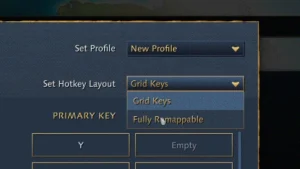
Age of Empires 4 Hotkey Setup: 6 Clear Profile Checks
A PC keyboard guide explaining separate layouts,context conflicts,gradual edits and verified save/profile checks.