TL;DR: To make Total War Rome 2 trade agreements, select a discovered faction in diplomacy, add a trade agreement to the offer and submit the proposal. If you add a payment, judge it against the agreement’s likely income and the treasury you need for other work. After acceptance, use Trade & Finance to inspect exports and partner profit, then protect the ports and routes that support the deal.
A trade agreement is the diplomatic permission; the trade route is the connection carrying the commerce. Good relations do not replace a usable route, and owning a port does not automatically sign a treaty. Separate an unavailable offer, a rejected negotiation and an interrupted existing route because each needs a different response.

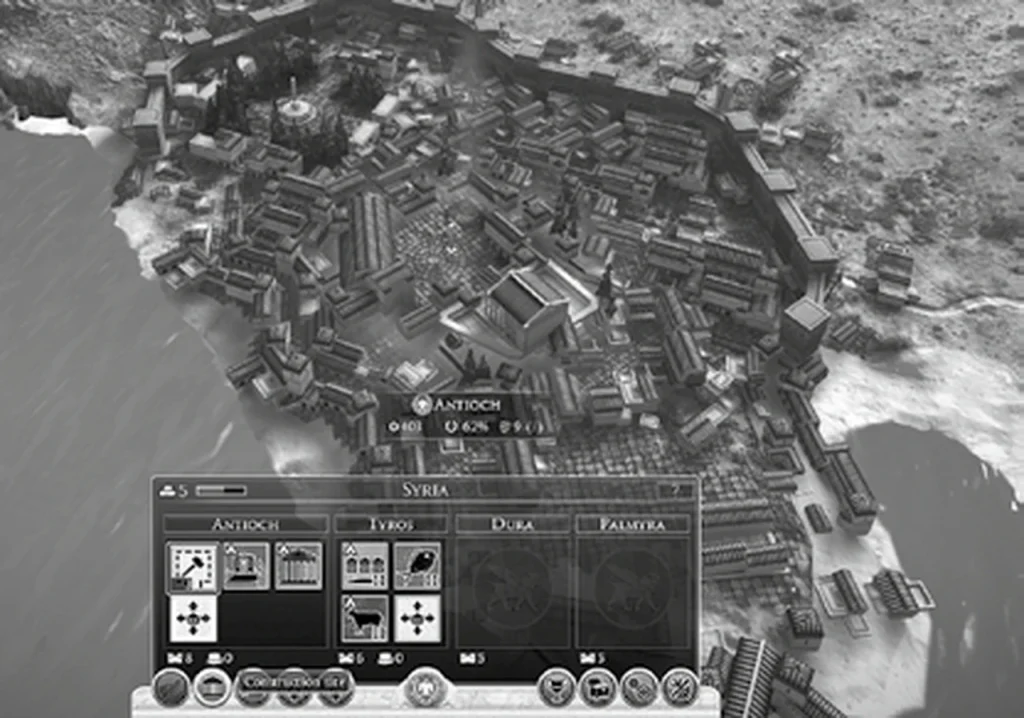
Sources checked November 9, 2026: the official Rome II encyclopedia and Emperor Edition manual. Examples below are strategy recommendations, not personal playtest results. Screenshots are archived manual images; modded campaigns can change the rules.
On this page
Total War Rome 2 trade agreements: understand what the deal creates
The official diplomacy reference describes a trade agreement as a deal whose commodity details are handled implicitly after the other faction accepts. You are not setting individual export prices through a separate bargaining screen. Your task is to negotiate the agreement and assess the resulting trade.
The Trade & Finance guide distinguishes provincial trade wealth from commerce with other factions. Buildings can contribute trade wealth locally, while diplomatic agreements create routes between factions. A province showing trade-related income does not prove that every foreign trade opportunity is already covered.
1. Choose a partner you can actually negotiate with
The official diplomacy guide states that you cannot initiate negotiations with an undiscovered faction. Start with a known partner on the diplomatic map. More money in the treasury does not remove the contact requirement.
Consider the partner’s position as well as its attitude. A nearby economic opportunity and a remote faction with complicated access are different campaign decisions. Use the map to understand which settlements and ports might support the connection before assuming a promising relationship produces a dependable route.
If the factions are fighting, resolve the hostilities as part of the diplomatic situation before planning ordinary peaceful commerce. Keep the peace negotiation and the value of the eventual trade distinct. A concession that ends a war has a different purpose from a payment offered only to secure trading income.
Select an opportunity that fits your next campaign steps. A faction you intend to attack immediately is an unstable foundation for a long-lived agreement. A more durable partner can be useful even when it is not the first name you noticed on the list.

2. Construct a simple trade proposal
Open diplomacy, select the faction and use the Add Offer or Demand controls described by the encyclopedia. Choose the trade agreement and review the negotiation table. Submit the proposal when it contains the deal you actually intend to make.
Keep the first offer easy to evaluate. Adding military commitments, access and several unrelated demands creates a more complicated decision for both sides. The official guide warns that an overly complicated proposal can be rejected as readily as an insufficient one.
If the response is a counter-offer, inspect what changed before accepting it. A request for money, access or another treaty affects the cost and obligations of the deal. Use the counter-offer process to keep negotiating when the alternative is useful, rather than accepting every added element automatically.
If trade is not available as an option, first inspect the access situation and the reason shown in diplomacy. That is different from an available proposal being rejected. Repeatedly raising a payment does not create a missing port or repair a route problem.
3. Compare the payment with the economic benefit
The official guide permits payments as part of diplomatic agreements. Decide how much treasury you can spare after considering recruitment, upkeep and construction. A trade deal that consumes the money needed for an immediate campaign task can be a poor purchase even if it eventually pays back.
Think in terms of an approximate payback period: the upfront payment divided by the additional income the agreement is expected to provide. This is a budgeting comparison, not a hidden game formula. Use the actual available revenue information rather than inventing a standard income for every partner.
An uncertain route makes that comparison less dependable. If commerce will be repeatedly interrupted, a deal with impressive theoretical income may provide less useful cash than you expected. Assess the route alongside the acceptance cost.

4. Check resources and the actual partner contribution
Open Trade & Finance after acceptance and inspect exports and profit from each partner. The official reference says this panel also identifies resources gained from partners and resources you have not acquired. This is the place to verify what the deal contributes.
The game trades both goods and resources. Do not reduce the decision to possessing one special resource icon. Resource-bearing regions can support an economic plan, but the value of a new agreement still depends on its actual commerce and your existing opportunities.
The encyclopedia describes resource prices as affected by supply and demand. Treat the displayed result as the relevant value for your campaign rather than assuming a screenshot’s old value is permanent.
Compare the total projected economy before expanding spending. A new source of income can support a building or additional troops, but upkeep continues every turn. Avoid spending the same improvement several times in different parts of the plan.
5. Understand ports, sea access and interruptions
The official construction guide identifies ports as enabling trade with other factions as well as ship construction and income. A coastal settlement can therefore matter to your trading position. Its value includes the access it provides, not only the building’s local revenue.
A port’s existence and a working route are separate checks. Inspect the connection supporting the agreement rather than treating any coastline as sufficient evidence. The relevant question is whether commerce can pass through the required access, not whether your empire owns an attractive harbor somewhere.
The naval blockade reference explains that a blockade stops trade through the affected port while it is in place. Breaking the blockade requires a naval attack on the blockading fleet. A new diplomatic payment does not remove that military obstruction.
The trade-raiding reference adds an important qualification: an attack or sabotage at a port disrupts trade and cancels the agreement only when no other ports can reroute it. Do not assume every damaged port permanently ends every trade relationship, or that alternative access always exists.

6. Preserve the relationship as well as the connection
The official manual explains that treaties, military behavior and treatment of other factions affect how future diplomacy is received. A trading partner can have a different view of your actions toward its allies. Consider that wider relationship before breaking another pact for a short-term advantage.
The diplomacy reference states that breaking a trade agreement brings a relations penalty. It also describes increasing income over the life of a long-standing agreement. This makes continuity relevant when choosing which trading relationships deserve protection.
Review other treaty elements before adding them to secure trade. A military alliance includes requests for war support, while military access permits movement through another faction’s territory. Those terms do more than improve a trade offer and can shape later campaign decisions.
Keep the trade’s purpose connected to your objectives. If the partner, port or surrounding territory is part of an approaching conflict, plan the likely economic interruption before relying on that income to finance new commitments.
7. Diagnose a missing or interrupted agreement
For an unavailable new offer, check contact and the diplomatic access situation first. For a rejected offer, review its terms, relations and cost. For an accepted agreement that no longer delivers expected income, inspect the route, ports and treaty state before negotiating the same deal again.
When a port is blockaded, solve the naval problem or establish whether an alternative route is actually available. When a treaty has ended, decide whether restoring it fits the current relationship. These are different recovery paths and should not be merged into a generic recommendation to pay more.
If income changes while the agreement remains active, compare resource exports and the wider economy in Trade & Finance. Local building wealth, military costs and foreign trade all contribute to the financial picture. One lower projected total does not automatically prove the treaty disappeared.
Use the Rome II hub and strategy guides for related diplomacy and campaign economy lessons. Preserve the original agreement question: create a useful deal, verify what it provides and keep its route viable.
A practical trade-deal sequence
Suppose a discovered partner offers a straightforward trading opportunity. Submit the trade-only proposal first, then evaluate a requested payment against the expected benefit and immediate treasury needs. After agreement, inspect partner profit and exported resources before allocating the new income.
Later, if one of the supporting ports is attacked, check whether commerce was rerouted or the agreement ended. Address the route interruption before offering another payment. This sequence connects negotiation, verification and protection instead of treating trade as a one-time click with permanent income.
Trade agreement questions
Do I need to set the price of every exported commodity?
No. The official diplomacy guide says those details are implied by acceptance. You negotiate the agreement, then assess resources and profit through Trade & Finance. There is no separate commodity-price negotiation described by this source.
Does every port attack cancel trade permanently?
The official reference distinguishes disruption from cancellation when another port can reroute the commerce. Check the actual route and agreement state. A blockade also stops trade through its affected port while it remains in place.
Why does my province have trade wealth without a foreign treaty?
Provincial buildings can supply trade wealth, while agreements enable commerce with other factions. Those are related sources of income with different requirements. Inspect the partner contribution separately when assessing a new deal.
Sources and further reading
- https://store.steampowered.com/manual/214950
- https://r2enc.totalwar.com/en/manual/single-player/0038_enc_page_campaign_play_faction_diplomacy/
- https://r2enc.totalwar.com/en/manual/single-player/0039a_enc_page_campaign_play_province_trade_finance/
- https://r2enc.totalwar.com/en/manual/single-player/0045_enc_page_campaign_play_province_construction/
- https://r2enc.totalwar.com/en/manual/single-player/0031_enc_page_campaign_play_military_raiding_trade/
- https://r2enc.totalwar.com/en/manual/single-player/0032_enc_page_campaign_play_military_blockades/
- https://store.steampowered.com/app/214950/
Keep exploring

Total War Rome 2 Diplomatic Expansion: protect your next conquest
Use diplomacy to support an expansion plan through reputation, understood treaty obligations and bounded allied war coordination.

Total War Rome 2 vs Total War Three Kingdoms: territory or characters?
Choose ROME II for classical civilizations and empire development; choose THREE KINGDOMS for Chinese warlords and relationships that connect statecraft with battle.

Total War Rome 2 vs Total War Attila: build an empire or survive?
Choose ROME II for classical empire growth; choose ATTILA for late-antique survival, a vulnerable Western Roman Empire and destruction mechanics.