Guide Total War Warhammer III
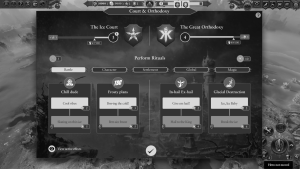
Total War Warhammer 3 Kislev supporters: Court and Orthodoxy
Use the replacement Court and Orthodoxy system, balance support for permanent Boons, and budget provincial Devotion separately.
Explore Total War Warhammer III guides by task. Start with the beginner route, then follow focused mechanics and campaign advice. Game comparisons and recommendations are separated from gameplay instructions.
Use the replacement Court and Orthodoxy system, balance support for permanent Boons, and budget provincial Devotion separately.
Build camps for a recruitment purpose, supply them without starving field armies, and budget the resource cost and downtime of relocation.
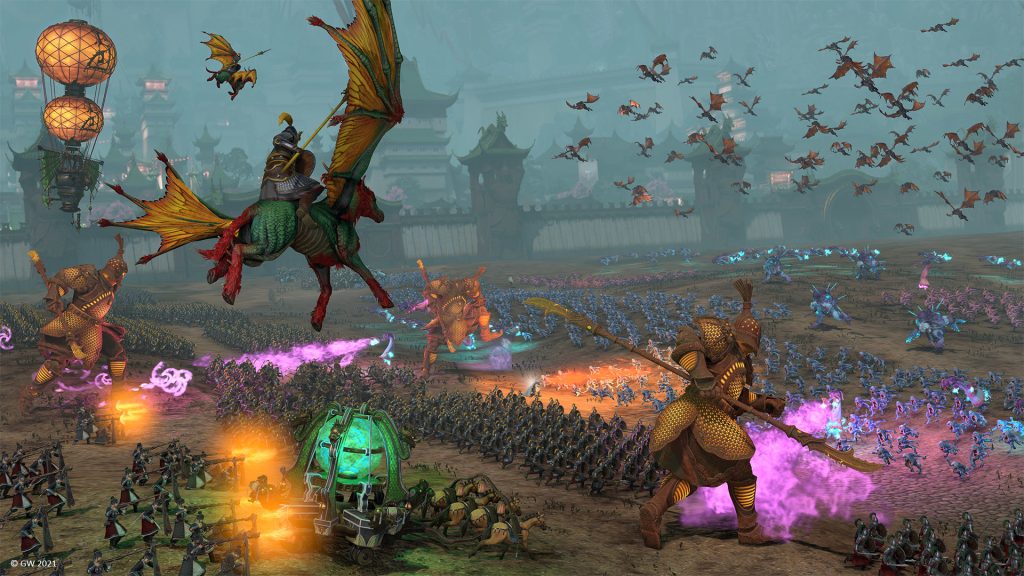
Separate battlefield unit choices from campaign influence; inspect budgets and eligibility before committing resources.
Identify the real cost and responsible army, retain required battlefield tools, and match reductions to their actual recipients.
Separate cash and Infections, develop recruitment pools early, and use the reworked static buildings and local corruption deliberately.
Budget money and skulls separately, keep permanent armies fighting sustainably, and use the post-rework Blood Hosts and infrastructure deliberately.
Building-only provincial balance, escalating disharmony penalties, useful construction sequences and a separate battlefield Harmony support plan.
Set up the sandbox with current ownership rules, a playable lord, deliberate difficulty and endgame options, then a focused first-turn plan.
Campaign choice, individual lord ownership, version checks, simultaneous versus sequential turns, shared battlefield roles, and a resumable co-op plan.
A source-based review of Warhammer III’s documented base-game design, with a verdict on fantasy battles, campaign identity, character customization, multiplayer formats, and player fit.
Four alternatives selected by which part of Warhammer III the reader wants to preserve: historical empire building, a focused conquest setting, heroic relationships, or dynastic politics.