Guide WARNO
WARNO Recon Positioning: observe the fight before you join it
Put recon where it answers the force’s next movement question; preserve a useful view, cover the flank and move it when the front changes.
Explore WARNO guides by task. Start with the beginner route, then follow focused mechanics and campaign advice. Game comparisons and recommendations are separated from gameplay instructions.
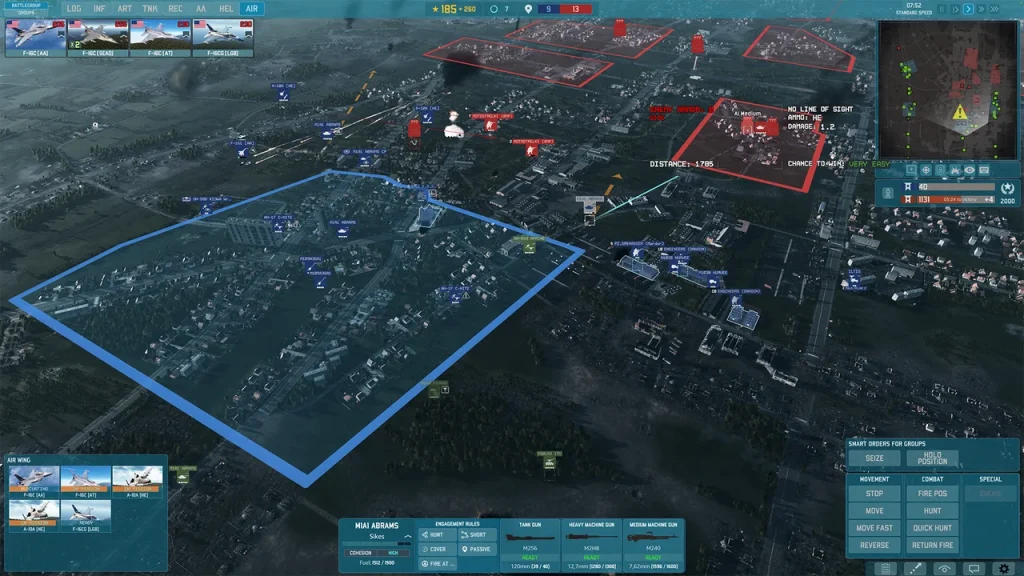
Put recon where it answers the force’s next movement question; preserve a useful view, cover the flank and move it when the front changes.
Bring command behind protection, complete the capture, then relocate or support nearby troops; WARNO does not require permanent parking after capture.
Build a division deck around an opening and reinforcement plan; cover battlefield jobs before spending cards on optional specialists.
Begin with one lane, a combined-arms opening, recon ahead of the force and a command unit behind protection; reinforce the threat you actually see.
Choose Wargame: Red Dragon for a different Cold War theater, Steel Division 2 for WWII divisions and Army General, or Ostfront for a closer unit-control experience.
Read the town’s objective and current line-of-sight information, match a unit’s weapons to its intended game target, and decide whether to contest, support or preserve it.
Agree on the game mode and responsibilities, state what your battlegroup can provide, and make short calls that connect observed changes with specific help.
Connect the displayed objective with formation location, action points, terrain, readiness, support, reinforcements and the current turn.
Choose participants and resolution according to the encounter, preserving useful ground strength and accounting for fatigue and later campaign tasks.
Plan a manageable opening around objectives, complementary purchases, sight, support connections and the first useful information.
Use smoke for a specific disengagement or ground movement, then reassess sight, resources and the next useful position.
Sustain the next important task with actual supply sources, protected connections, resource priorities and monitored Auto Supply.